
Staff focus on clinical load
Reduce repetitive calls about parking, forms, and portal resets so coordinators and nurses spend time on cases that need their license and empathy.
Hybrid
AI for bounded, documented questions — humans for judgment and sensitivity
Holding AI
No dead air after escalation; customers stay informed until staff arrive
RAG
Answers drawn from your approved materials — not improvised medical advice
Patients expect the same immediacy they get from retail — but many questions are not retail problems. Voxe supports a deliberate split: fast, accurate automation for operational and approved content, and fast, well-prepared handoffs to staff when the moment requires a human.
Health systems, clinics, digital health, and payers
Hours, portal navigation, billing and coverage FAQs (as written by your team), preparation instructions already published, and general policies your legal and clinical leadership have cleared for self-service. These are the same high-volume, low-variability patterns hybrid support handles well elsewhere — with strict guardrails in healthcare.
Patient & member experience
Reduce repetitive calls about parking, forms, and portal resets so coordinators and nurses spend time on cases that need their license and empathy.
When the correct answer is in your approved FAQ or policy doc, every patient gets the same wording — fewer contradictions between shifts or channels.
Patients who must reach a human are not left staring at a blank chat. They know someone is coming and your team gets a direct signal with context.
You choose what enters the knowledge base, which integrations exist, and when automation stops. Map data use to your privacy program and agreements; involve compliance for PHI and regulatory requirements in your jurisdictions.
Operations, financial navigation, and moments that always need a person.
Access & operations
"Where do I park?" / "How do I reset my portal password?" / hours by location
Instant answers from published operational content. Reduces phone volume for front desk and call centers without touching clinical decision-making.
Billing & coverage navigation
"What is my copay for this visit?" — only from your vetted scripts and policies
Ground responses in documentation your revenue cycle and compliance teams maintain. Escalate balances, disputes, and edge cases to financial counselors with thread attached.
Clinical or emotional urgency
New symptoms, medication questions, fear, anger, or ambiguity
Route to humans immediately. AI should not guess in high-emotion or clinical gray areas — the cost of a wrong tone or answer is too high for patients and for your organization.

High-emotion situations need real judgment and empathy — not pattern-matched phrases. The right design escalates early when the patient is distressed or the question is outside documented policy.
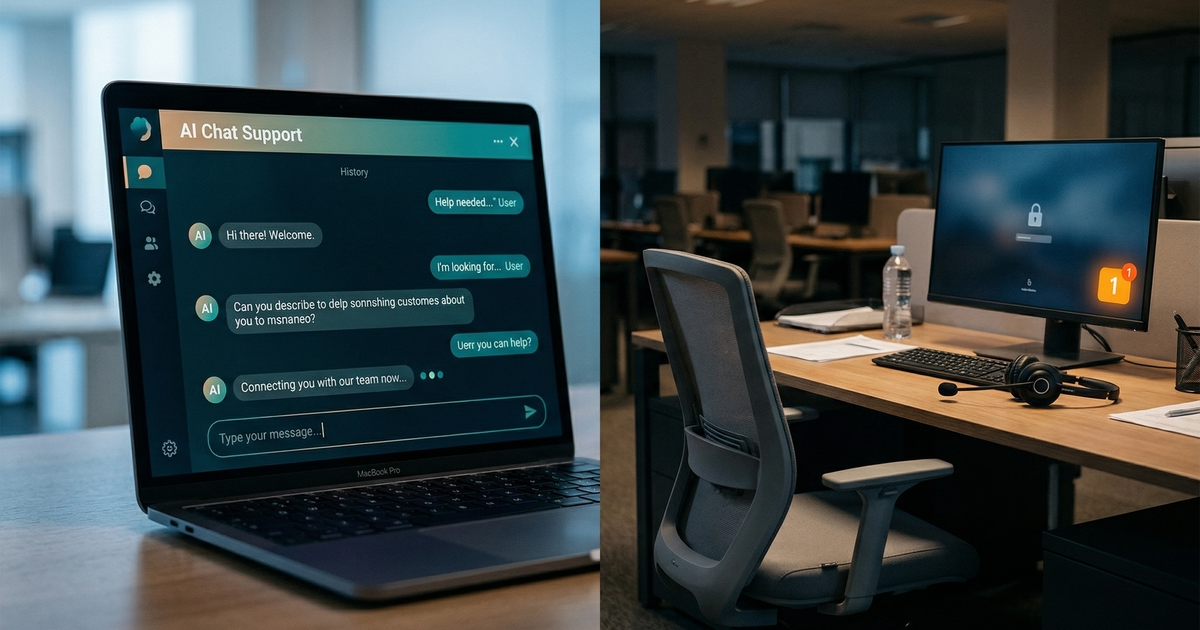
What AI handles well — and what it doesn'tIn care settings, silence after “let me connect you” feels like abandonment. Holding AI keeps the conversation warm, surfaces wait context, and alerts the right team — the same handoff discipline we describe for high-stakes support everywhere, with extra weight in health.
Read: chat shouldn't go silentClinical boundaries, privacy, and hybrid design.
Hybrid support, handoffs, and AI boundaries.

AI-only support frustrates customers. Human-only support doesn't scale. The companies winning at customer support have stopped choosing sides — and started building hybrid systems where AI and humans each do what they're actually good at.
Read more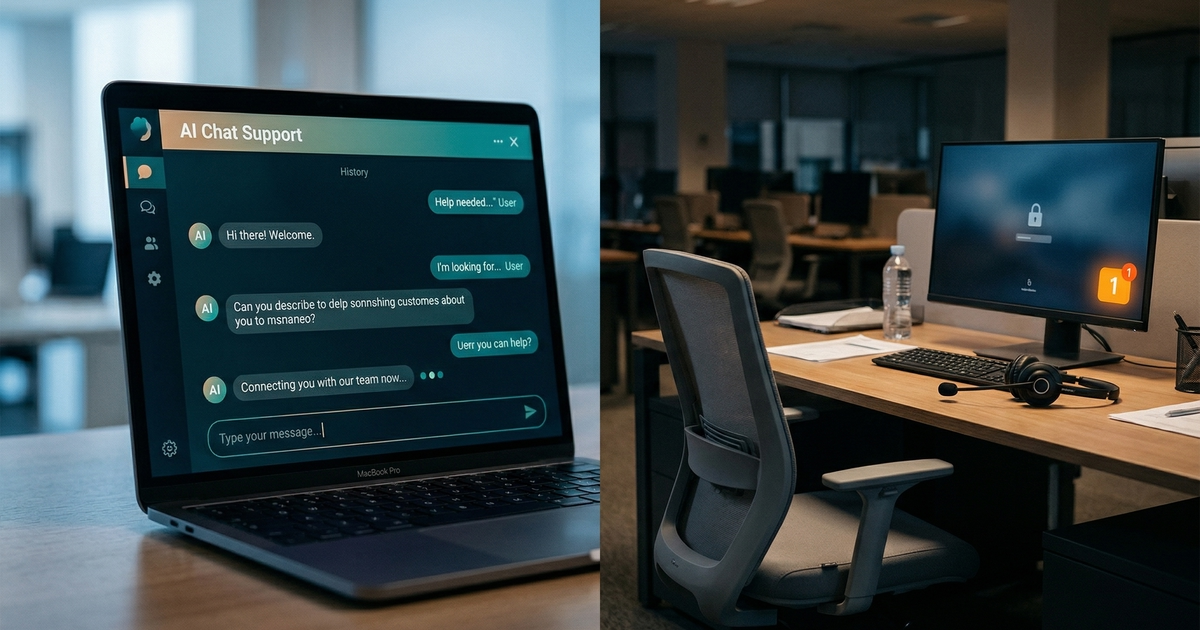
Most AI platforms hand off and disappear. The customer waits in silence while a human takes minutes — or longer — to respond. Here's why that gap destroys trust, and how a Holding AI layer fixes it.
Read more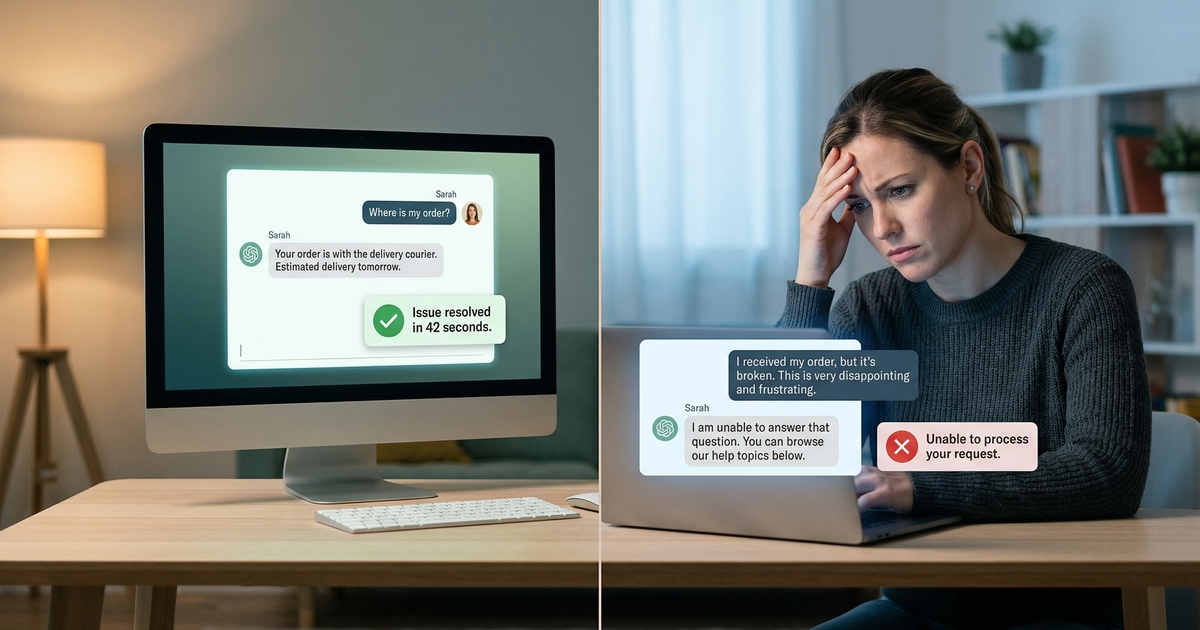
AI customer support works brilliantly for some problems and fails badly for others. Here's the honest breakdown — with the data to back it up.
Read more